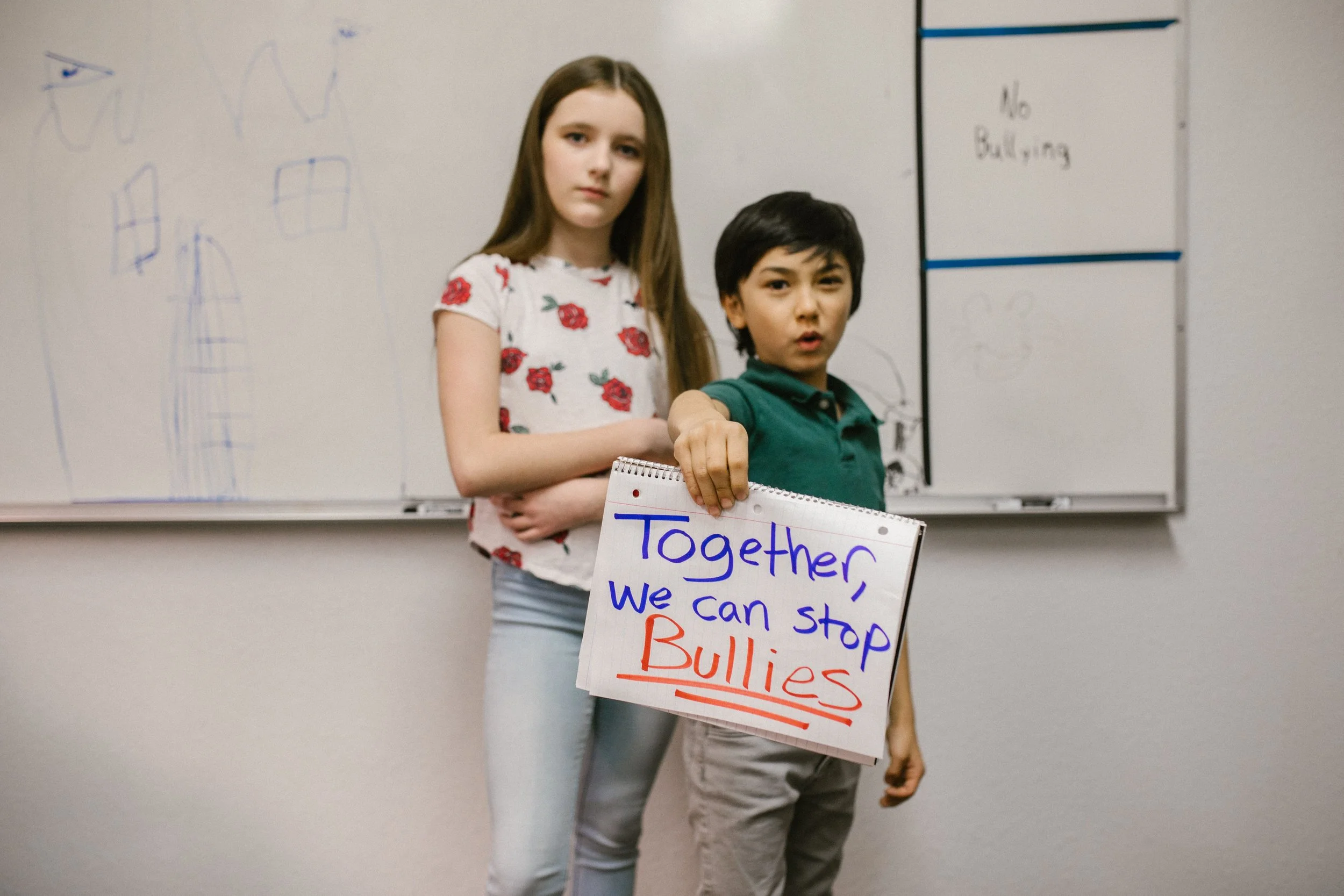
There's a particular kind of silence that can surround bullying. It’s the:
child who stops wanting to go to school but won't explain why
colleague who laughs along with an uncomfortable joke to avoid becoming the next target
young person who quietly leaves a group chat because the messages have become too much
person who witnesses something wrong but doesn't know whether to get involved
someone who has already spoken up but feels nobody listened
Bullying doesn't always happen loudly or in plain sight. It can be subtle, persistent and incredibly isolating.
While we often encourage people to speak up - we don't always consider what might be stopping them.
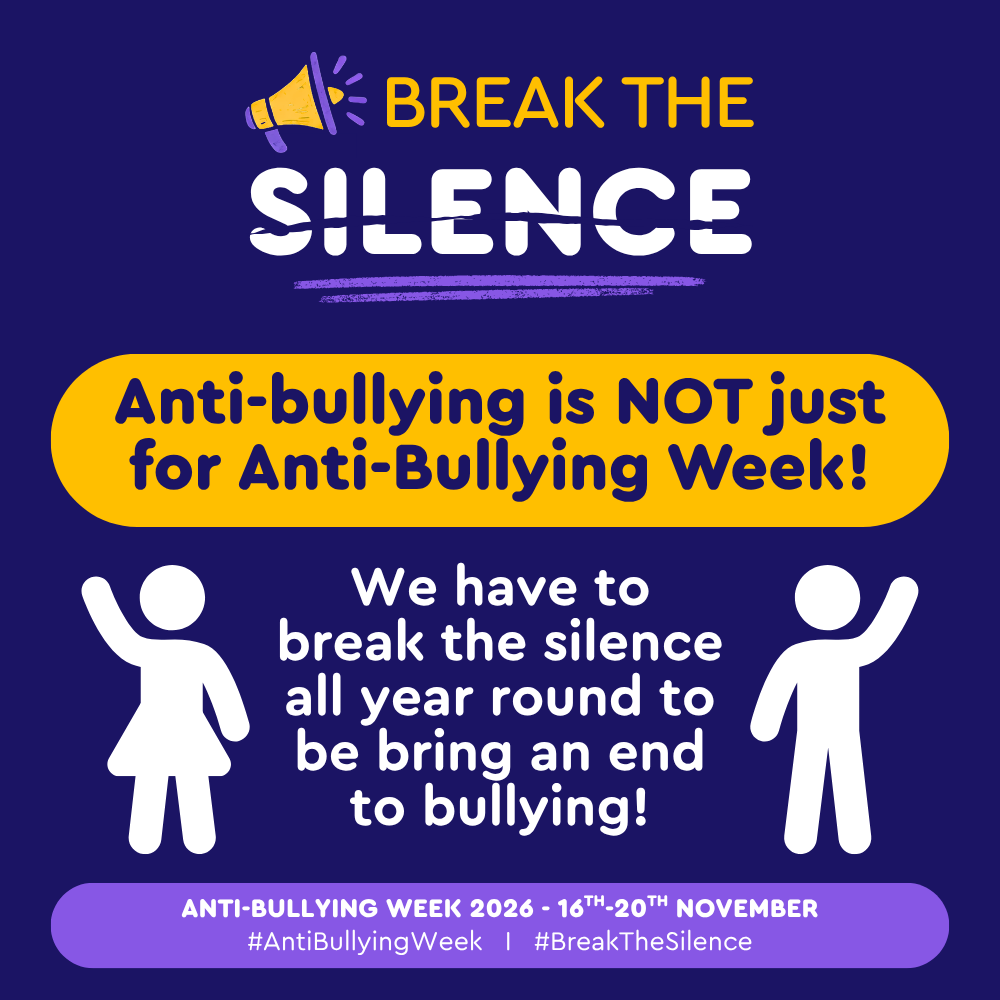
This year's Anti-Bullying Week, taking place from 16–20 November 2026, is asking us to do exactly that.
Led by the Anti-Bullying Alliance, the theme Break the Silence encourages children, young people and adults to start conversations about bullying, listen to those affected and take meaningful action together.
The theme was shaped by the experiences of more than 200 children and young people, who highlighted the barriers that can prevent someone from asking for help.
At imabi and imabi Community CIC, this message resonates strongly with our work. We believe everyone deserves to feel safe, included and able to raise concerns without fear of being dismissed.
Bullying in 2026: Why We Still Need to Talk About It
Bullying is sometimes dismissed as part of growing up, a personality clash or something people should simply learn to deal with.
Its consequences can be far-reaching… it can affect someone's confidence, mental wellbeing, relationships, education and willingness to participate in everyday life.
1 in 5+
children report experiencing bullying each year
8 million
estimated annual reach of Anti-Bullying Week among children and young people
The way bullying happens is also changing…
While face-to-face intimidation and exclusion remain concerns, online environments have created more opportunities for harmful behaviour to follow someone beyond the school gates, workplace or public space: group chats, social media comments, anonymous accounts and the sharing of humiliating images can make it difficult to escape.
Why Do People Stay Silent?
It's easy to say -"If someone is bullying you, tell somebody"
But…
What if you've already tried?
What if you're worried things will get worse?
What if the person responsible is popular, influential or someone you see every day?
What if you're not even sure whether what you're experiencing counts as bullying?
There are many reasons people hesitate to speak up.
Some fear retaliation
Others worry about being labelled difficult or overly sensitive
Some feel embarrassed
Others have learned from previous experiences that reporting doesn't always lead to change
And for young people especially, the fear of social exclusion can be powerful.
The Anti-Bullying Alliance's research behind this year's campaign highlights how silence can allow bullying to continue and why children and young people need reassurance that speaking up will lead to support.
Recognising Bullying: It's Not Always Obvious
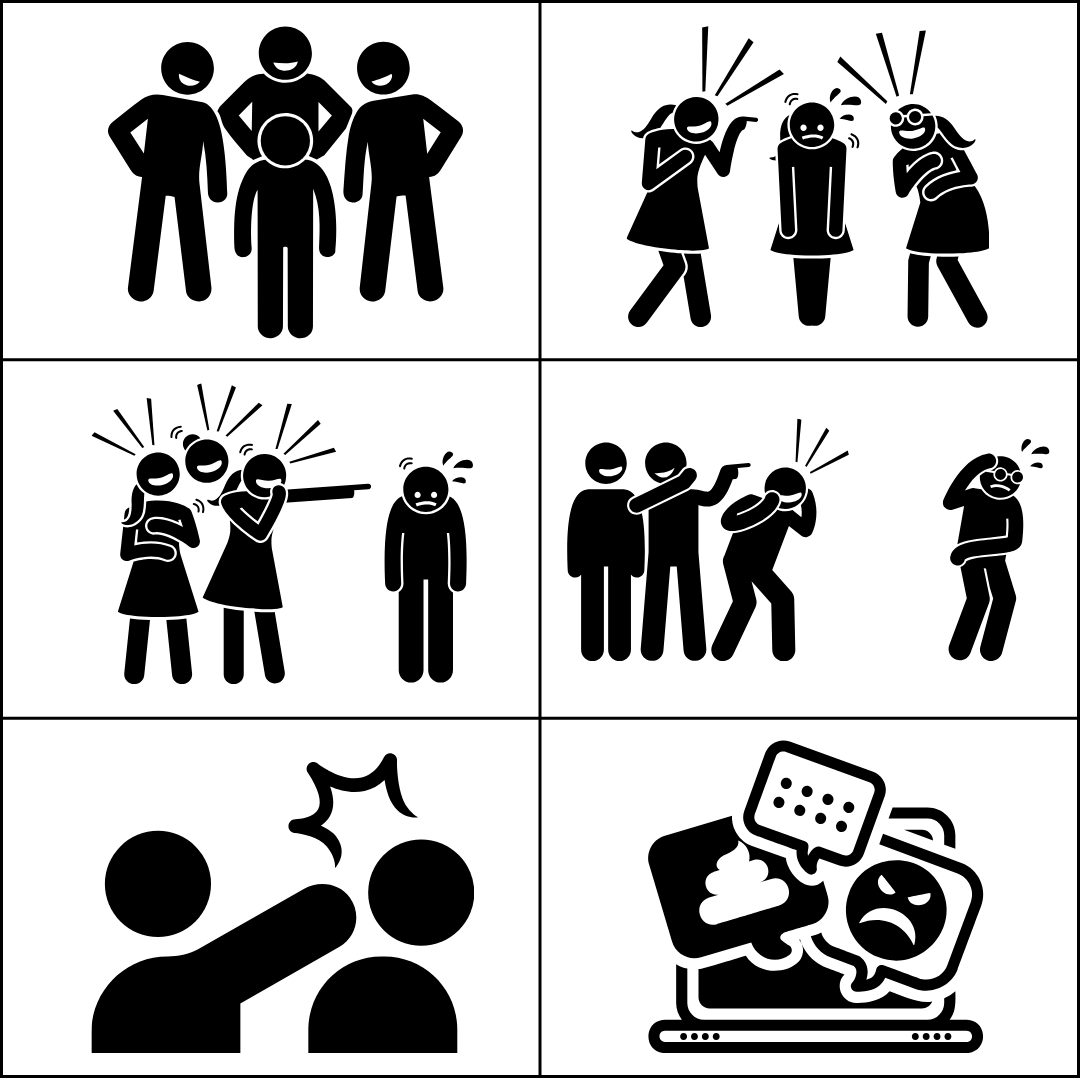
Bullying can take different forms, and not all of them involve shouting, threats or physical aggression. It might look like:
Verbal bullying: repeated insults, name-calling, mocking or humiliating comments
Social exclusion: deliberately isolating someone, spreading rumours or encouraging others to ignore them
Cyberbullying: abusive messages, harassment in group chats, impersonation or sharing embarrassing content online
Physical bullying: pushing, hitting, intimidation or deliberately damaging someone's belongings
Workplace bullying: persistent humiliation, intimidation, undermining or deliberately excluding someone from opportunities or communication
Discriminatory bullying: targeting someone because of their race, disability, religion, sex, sexual orientation or another characteristic
Bullying often involves repeated harmful behaviour and a real or perceived imbalance of power. However, a single serious incident may still require action, even where it doesn't fit a particular definition of bullying.
Breaking the Silence Starts with How We Respond
One of the most important things we can do is change the way we respond when someone tells us they're being bullied.
Imagine finally finding the confidence to explain what's happening, only to hear:
“they're probably just joking” “try ignoring them” “don't make a big deal out of it”
Even when intended to reassure, these responses can leave someone feeling dismissed.
If someone tells you they're being bullied:
Take them seriously
Avoid minimising their experience or immediately questioning their interpretationGive them space to explain
They may struggle to find the words, particularly if the behaviour has been happening for some timeAsk what support they need
Don't assume you already know the best solutionExplain what happens next
If you're responsible for reporting or escalating the concern, be clear about the processFollow up
A conversation shouldn't end the moment someone shares their experience
You don't need to have every answer, but showing someone that they've been heard can be an important first step.
If you experience bullying:
Consider speaking to someone you trust
Whether that's a parent, teacher, safeguarding lead, colleague, manager or support organisationKeep a record of incidents (where appropriate)
Including dates, messages or screenshotsFind out what reporting routes are available
Explore confidential and/or anonymous optionsIf the first person you approach doesn't help, consider another trusted contact or reporting route
If you witness bullying:
Don't feel pressured to intervene directly
Especially if doing so could put you at riskDon’t ignore it
Don’t assume someone else will deal with itOffer support privately
Help the person access a reporting service or raise a concern with someone responsible for safeguarding
If you're a parent or carer:
Look for changes in behaviour without jumping to conclusions
A child becoming withdrawn, avoiding activities or seeming distressed after using their phone may need support. Open questions and calm conversations are often more helpful than demanding immediate explanations.
If you're an employer, educator or community leader:
Make sure people know how to report concerns, who will receive the information and what happens afterwards
Provide alternative routes where someone may not feel comfortable approaching their immediate manager, teacher or supervisor
Breaking the Silence Is Something We Can All Support
Anti-Bullying Week 2026 is an opportunity to raise awareness as much as it’s an invitation to think about the environments we're creating around us.
Do people feel comfortable challenging harmful behaviour?
Do children know who they can speak to?
Do employees trust their organisation's reporting process?
Do people experiencing harassment in public spaces understand where to seek support?
When concerns are raised, do we respond in ways that encourage trust rather than discourage future reporting?
Start a conversation
Listen without judgement
Challenge harmful behaviour when it's safe
Make sure someone knows where to turn
If you're responsible for safeguarding others, consider whether your reporting routes genuinely make people feel heard
At imabi and imabi Community CIC, we believe every person deserves to feel safe, respected and able to share concerns without fear of being dismissed.
Through accessible reporting, trusted support and safeguarding tools, imabi helps connect people's voices with those who have the responsibility to listen and act.
Useful links and support sources and resources
Anti-Bullying Alliance — Anti-Bullying Week 2026 - Official campaign, free resources, Odd Socks Day and supporter information
NSPCC — Bullying and cyberbullying - Guidance for parents, carers and young people
Childline - Confidential support for under-19s, including telephone support on 0800 1111
ACAS - Bullying at work - Guidance for employees and employers
Crimestoppers - Anonymous crime reporting
Fearless - Anonymous crime reporting information for young people
Travel Guardian - free all-in-one platform providing access to trusted reporting routes, alongside practical safety guidance, support resources and the Your Voice feature, where people can share experiences and concerns affecting their safety and wellbeing