
The government has announced a new £15 million Misogyny Prevention Fund, aimed at challenging harmful attitudes towards women and girls and supporting efforts to prevent violence against women and girls.
Announced on 27 October 2026, the funding will support prevention programmes over three years, potentially including youth mentoring, workplace training and awareness campaigns.
The announcement raises an important question: how do we challenge the everyday attitudes and behaviours that allow sexism and harassment to become normalised?
What does everyday sexism look like?
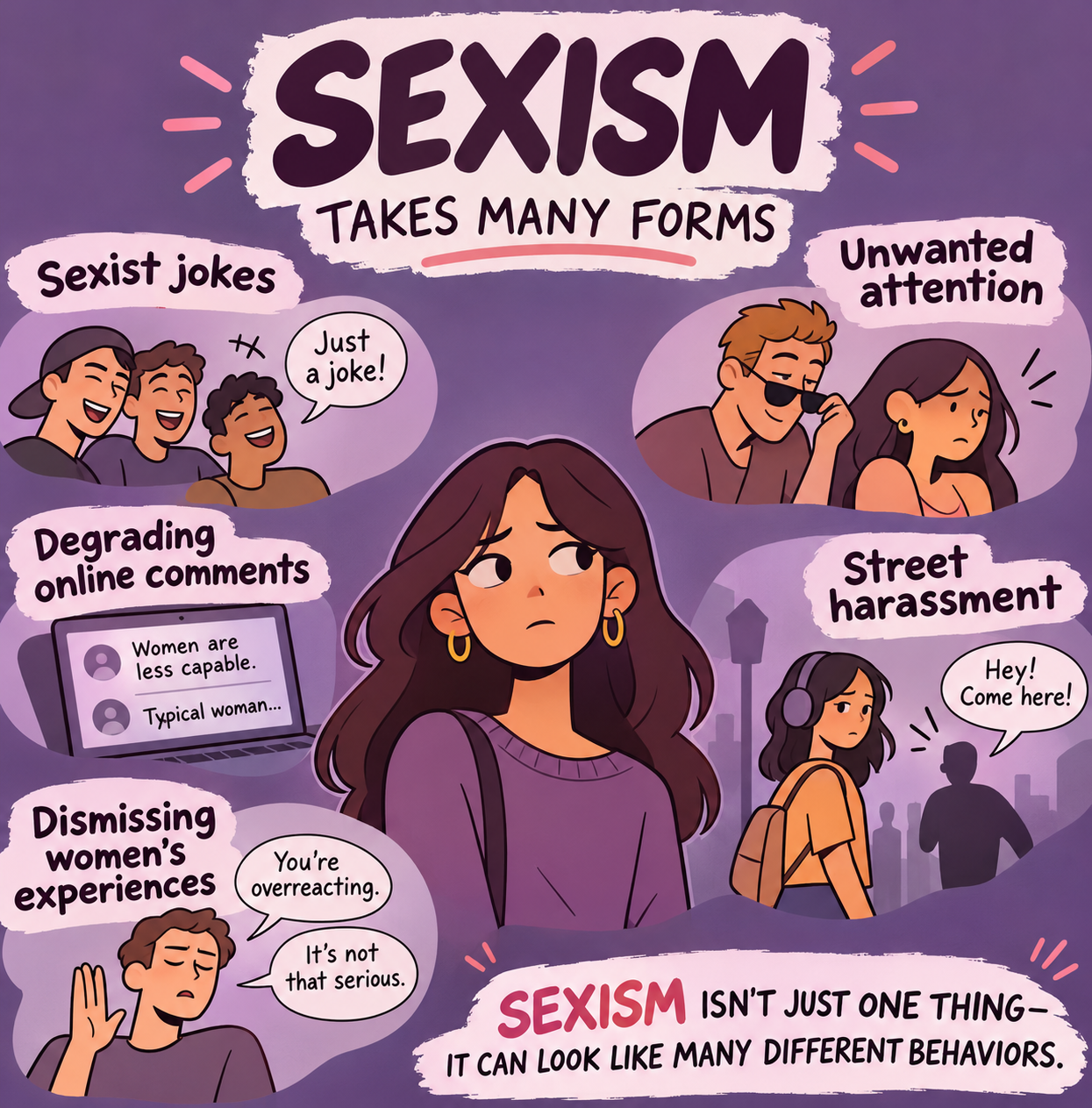
Everyday sexism can take many forms, from sexist jokes and unwanted attention to degrading online comments, street harassment and dismissing women's experiences.
Sometimes this behaviour is brushed aside as banter or something that shouldn't be taken too seriously.
Sexism and misogyny are not identical, and not every sexist remark is a criminal offence. Nor does every instance of sexism lead to violence. But routinely excusing or minimising inappropriate behaviour can help normalise attitudes that make harassment and misogyny harder to challenge.
For women and girls, these experiences can affect their confidence, sense of safety and decisions about where they go and what they do.
Why prevention matters
Responding to incidents, supporting victims and improving safety in public spaces are essential. But preventing violence against women and girls also means addressing the attitudes and behaviours that can enable harassment, discrimination and abuse.
Education, positive role models and programmes that encourage people to challenge harmful behaviour all have a part to play.
Across the UK, campaigns are already helping people recognise sexism, question unacceptable behaviour and find practical ways to intervene.
Campaigns that challenging misogyny and everyday sexism
There are some excellent initiatives offering advice, educational resources and opportunities to get involved:
-
The Mayor of London's interactive campaign encourages men to challenge sexist or misogynistic behaviour among their friends.
Click here to find out more about this campaign.
-
White Ribbon UK encourages men and boys to challenge everyday sexism and the excuses used to dismiss it, with resources for schools, communities and individuals.
Click here to find out more about this campaign.
-
Police Scotland's campaign encourages men to reflect on their attitudes and behaviour towards women and challenge those of their peers.
Click here to find out more about this campaign.
-
A government campaign helping people recognise abuse, support those affected and understand how to report concerns.
Click here to find out more about this campaign.
-
Women's Aid's educational programme helps children and young people understand healthy relationships and recognise unhealthy or abusive behaviour.
Click here to find out more about this campaign.
-
The Suzy Lamplugh Trust offers free bystander training to help people respond safely when they witness harassment.
Click here to find out more about this campaign.
-
British Transport Police provides practical guidance on safely intervening when witnessing sexual harassment on public transport.
Click here to find out more about this campaign.
These campaigns take different approaches, from changing attitudes and educating young people to supporting victims and giving bystanders the confidence to act.
What can we all do?
Challenging a friend's sexist comment, listening when someone describes experiencing harassment, or safely intervening when witnessing inappropriate behaviour can all make a difference.
Parents, teachers and other trusted adults can encourage young people to question harmful stereotypes and develop respectful relationships. Men and boys have a particularly important role in challenging sexism and misogyny among their peers.
The campaigns above provide useful resources, including videos, discussion guides and free training, to help people take these conversations further.
Building safer communities
At imabi Community, our work focuses on helping people access trusted safety information, support services and ways to raise concerns.
Through our free Travel Guardian app, we help people find local safety information, support and reporting routes.
These resources are important, alongside education, specialist services and wider efforts to change harmful attitudes.


The government's £15 million Misogyny Prevention Fund is intended to support further prevention work across the UK. In the meantime, the campaigns highlighted above provide practical advice, resources and training that individuals and organisations can already use.
Further information: Read the government's Misogyny Prevention Fund announcement