
Pride Month: Visibility, Safety and the Right to Belong
Pride Month is often seen through colour, celebration and parades, but at its heart, Pride has always been about something much deeper: visibility, dignity and the right to live safely as yourself.
For imabi, Pride Month is about safer communities that inclusive communities. It is not enough for places to be open to everyone in theory. People need to feel that they can participate, travel, socialise, study, work and ask for help without fear of judgement, harassment or harm.
Pride is celebration.
Pride is history.
Pride is a call to action.
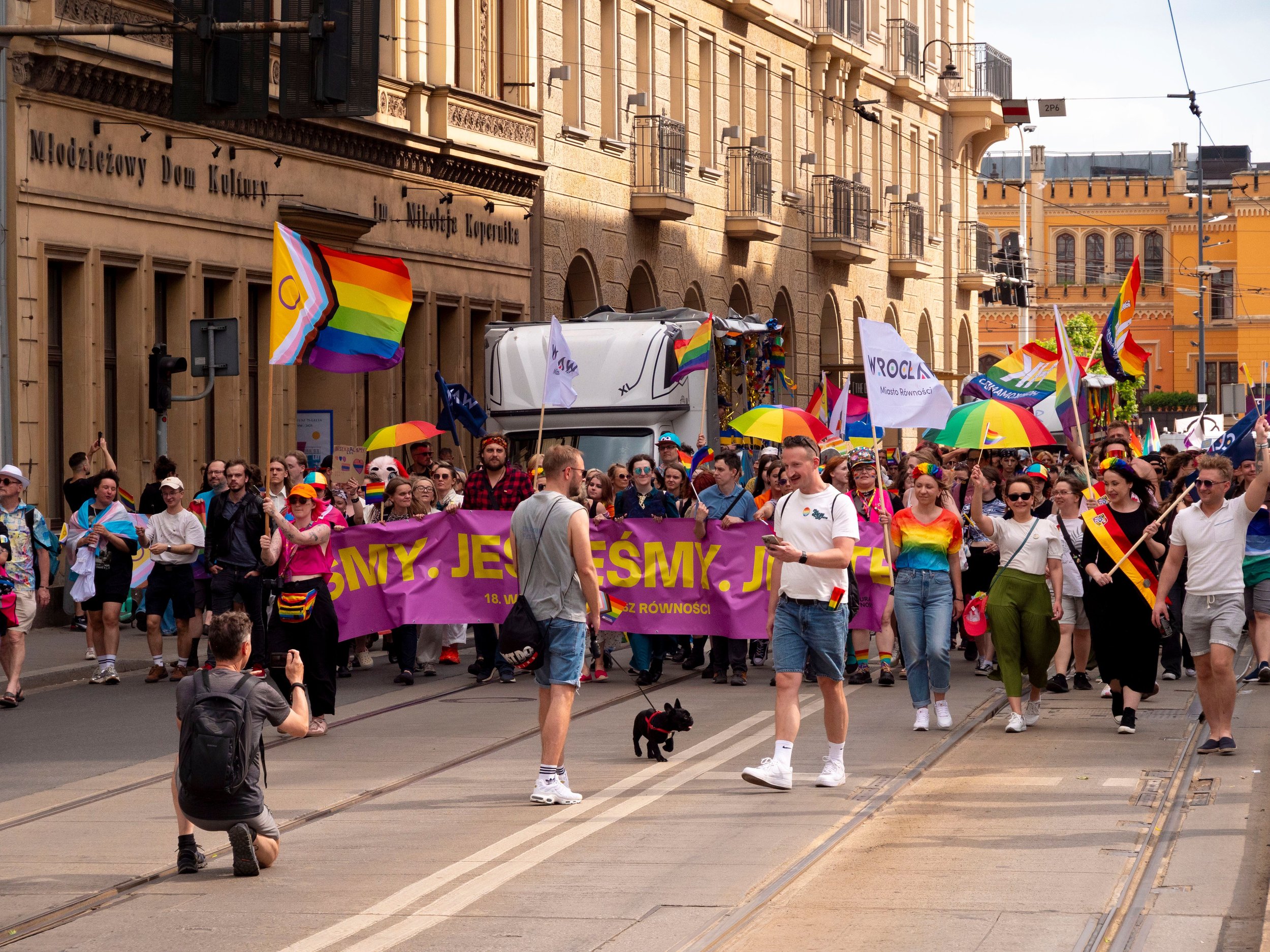
Where Pride Began
Pride Month is marked in June because of the Stonewall uprising in New York in June 1969, a defining moment in the modern LGBTQ+ rights movement. In the UK, the first official Pride march took place in London on 1 July 1972, inspired by Stonewall and organised by LGBTQ+ activists including the Gay Liberation Front and the Campaign for Homosexual Equality.
That first UK Pride was not just a celebration. It was an act of visibility at a time when many LGBTQ+ people faced open discrimination, fear and exclusion. Learn more here.
Today, Pride events across the UK are bigger, more visible and more widely supported, but the reason Pride exists still matters: people should not have to hide who they are to feel safe.
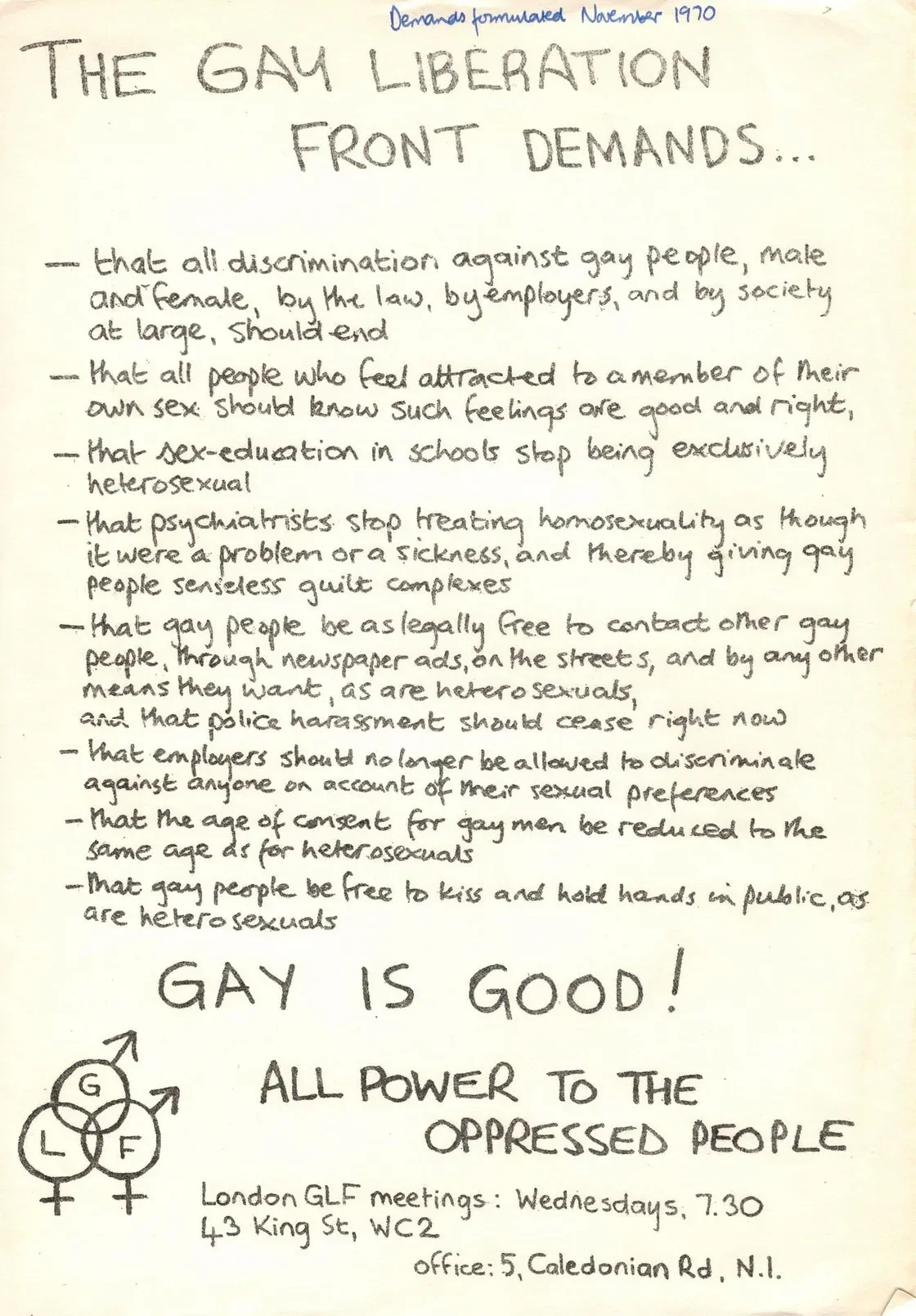
Gay Liberation Front list of demands, made in November 1970, London Museum
Why Pride Still Matters Today
Progress has been real...
Laws have changed
Representation has improved
More people feel able to talk openly about identity, relationships and belonging
BUT: visibility does not automatically equal safety.
Home Office hate crime statistics for England and Wales continue to show that sexual orientation and transgender identity remain recorded hate crime strands, with 2024/25 data reporting changes across those categories while also acknowledging wider trends across hate crime reporting.
Stonewall has also highlighted that, over a five-year period, police-recorded hate crime based on sexual orientation rose by 20% and trans identity hate crime rose by 50%, while LGBTQ+ hate crime charity Galop reported a 60% increase in LGBTQ+ hate crime victims seeking support in 2024.
Behind every statistic is a person:
Someone who changed how they dressed
Someone who avoided holding hands
Someone who took a longer route home
Someone who decided not to report what happened
Someone who learned to make themselves smaller in public
Safety Is About More Than Crime
When we talk about LGBTQ+ safety, it is easy to focus only on serious incidents, but many experiences sit below the threshold of formal reporting and still have a lasting impact.
It might be:
staring or verbal abuse on public transport
feeling unsafe leaving a venue
avoiding certain places at night
online abuse or harassment
not knowing whether support services will be understanding
feeling unsure where to report something
These experiences affect confidence - they affect movement, and they affect whether people feel able to take part in everyday community life.
Pride and Public Spaces
Pride Month also reminds us that public spaces should feel safe and welcoming for everyone.
That includes:
high streets
public transport
parks
workplaces
schools and colleges
nightlife spaces
events and festivals
Many Pride events take place in busy town and city centres, often involving large crowds, travel, late finishes and people moving between venues. Safety planning is important, but so is everyday reassurance.
That can mean:
knowing how to report concerns
sharing your journey with someone you trust
checking in with friends
knowing where local support is available
finding nearby safe spaces or trusted services
feeling confident to leave a situation that does not feel right
Pride should feel joyful and it should also feel safe.
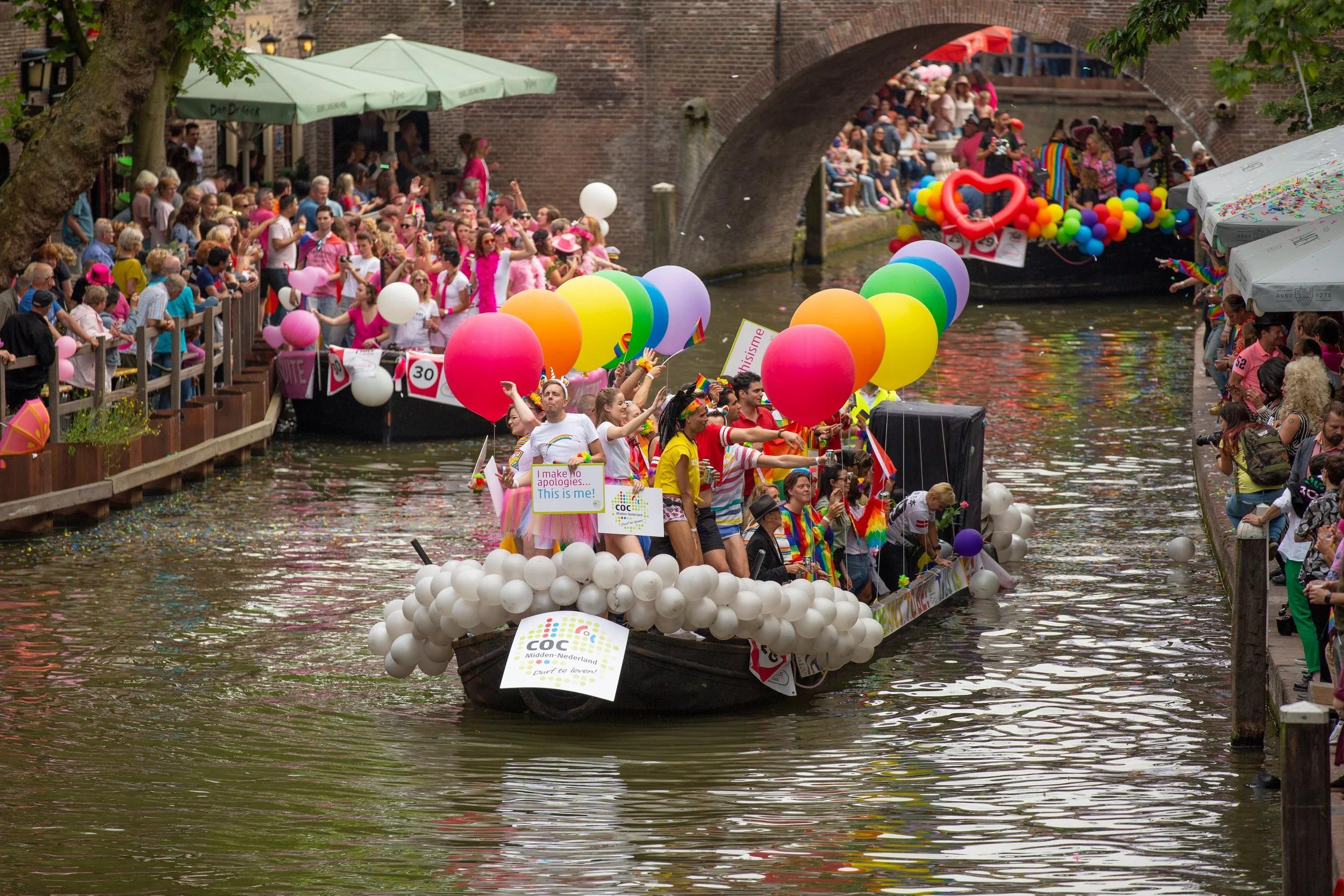
How Communities and Organisations Can Show Real Support
A rainbow logo is not enough on its own. Real support looks like action:
making reporting routes clear and accessible
training staff to respond appropriately to LGBTQ+ concerns
listening to lived experience before designing safety campaigns
challenging harassment and discrimination consistently
making support services visible all year round
working with LGBTQ+ organisations and local community groups
ensuring public safety messaging includes LGBTQ+ people without tokenism
For councils, venues, transport providers, schools, employers and community organisations, Pride Month is an opportunity to ask: are LGBTQ+ people not only represented, but genuinely considered in our safety planning?
Practical Tips for Pride Month
Whether you are attending a Pride event, supporting someone else or simply reflecting on what inclusion means, small actions matter.
If you are attending Pride or a local event:
plan your journey there and back
keep your phone charged
agree a meeting point with friends
know where event staff, stewards or support points are
trust your instincts if something feels uncomfortable
report concerns if it is safe to do so
If you are an ally:
listen more than you speak
challenge harmful language when you hear it
avoid assuming someone’s identity or experience
share trusted support resources
remember that allyship matters beyond June
If you are an organisation:
make inclusion visible in practical ways
review whether reporting routes are genuinely accessible
involve LGBTQ+ voices in safety planning
support staff and service users consistently
treat Pride as part of ongoing safeguarding, not a one-month campaign
Everyone deserves to move through the world with confidence.
Everyone deserves access to support.
Everyone deserves to belong.
imabi platform enables that.


Technology cannot replace human care, allyship or frontline services, but it can help make support more visible, accessible and easier to reach.