
10 Digital Safety Things to Sort When You Start University
Starting university usually comes with a long list of things to organise: accommodation, timetables, student finance, new groups, new apps and probably more passwords than you expected.
Digital safety might not be the first thing on that list, but a few simple checks at the start can save a lot of hassle later.
We’ve teamed up with CyberSafe Coach to bring some expert insight into this blog. Founded by Lee Lawrenson, CyberSafe Coach focuses on making digital safety clear, practical and easier to put into everyday life. Their advice is particularly useful for students, who are often managing new accounts, devices, networks and online services all at once when they start university.
Here are 10 things worth sorting as you settle into university life:
1. Give your important accounts stronger passwords
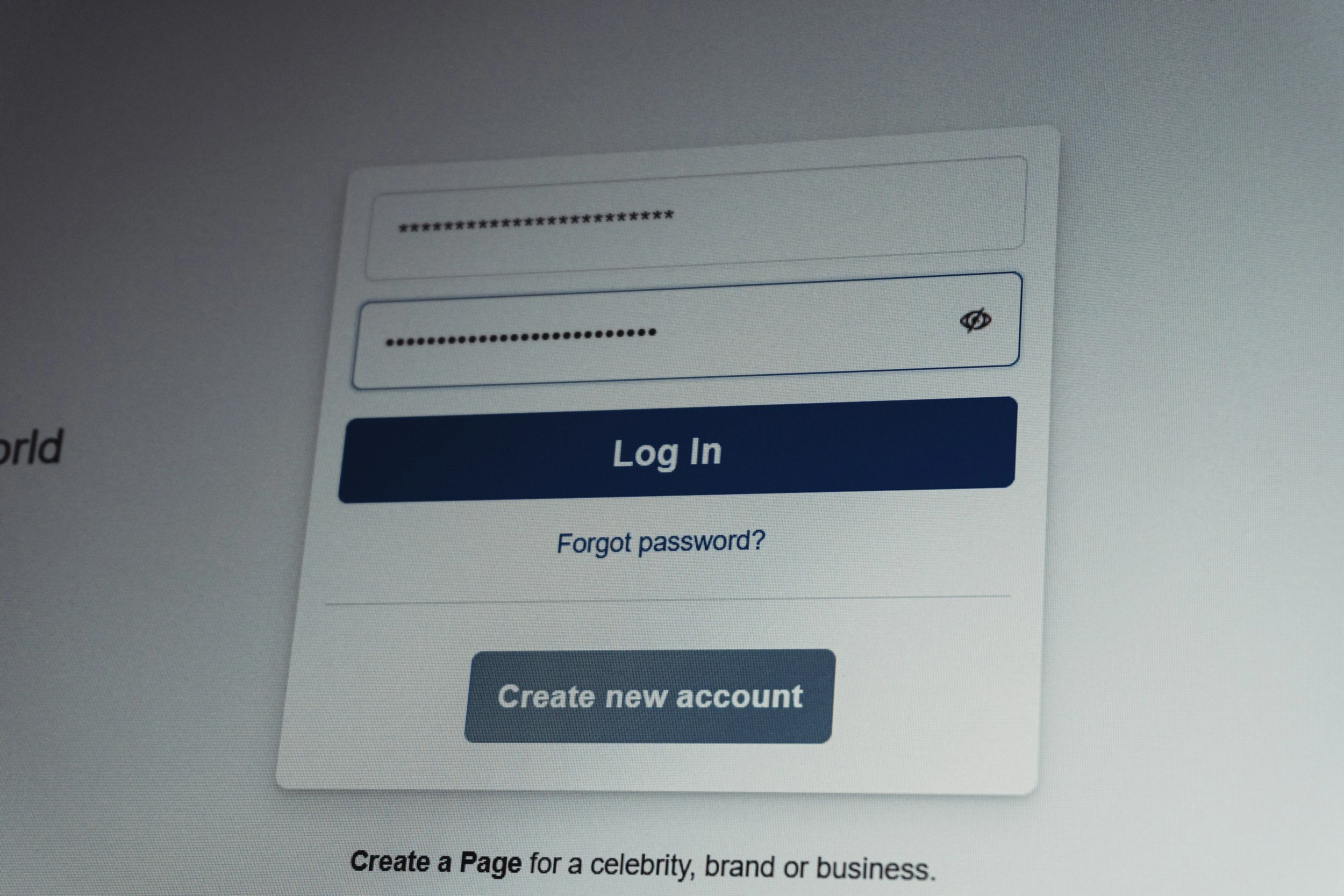
University usually means creating several new accounts, alongside the ones you already use for email, banking, shopping and social media.
Avoid using the same password everywhere. A password manager can make it easier to create and keep track of strong, unique passwords without having to remember them all
CyberSafe Coach expert tip:
A password manager does more good in five minutes than trying to remember ten different passwords ever will. Start with your email account, since that is usually the one everything else can be reset through.
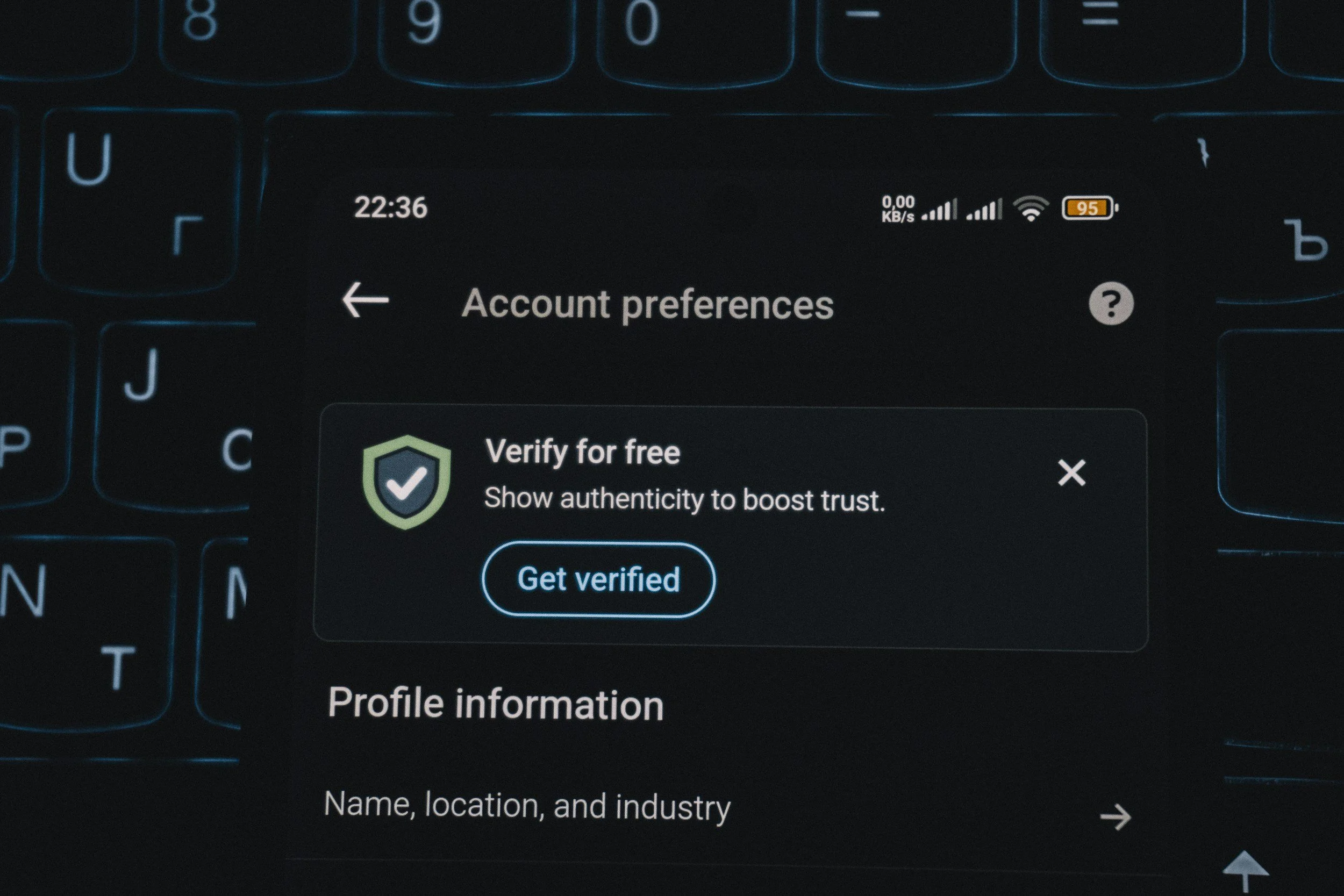
2. Switch on two-step verification
Wherever you can, turn on two-step or multi-factor authentication. It adds another layer of protection if someone gets hold of your password, particularly important for your email, university account, banking and social media.
CyberSafe Coach expert tip:
Turn this on for your email account first. It means a stolen password alone is not enough for anyone to get in.
3. Think before connecting to public Wi-Fi

Free Wi-Fi is useful when you're moving between lectures, cafés, libraries and student spaces, but be cautious about what you're doing while connected to unfamiliar networks.
Check that you're joining the genuine university or venue network, and avoid accessing particularly sensitive information on a network you don't trust
CyberSafe Coach tip:
If a venue has more than one similarly named network, ask a member of staff which one is genuine before you join. It takes a moment and avoids joining a copycat network set up to snoop on other people's traffic.

4. Check what you're sharing on social media
New university, new friends and Freshers' Week naturally mean plenty to share on social media.
Check your privacy settings and really think about how much information you're making public. Posts can unintentionally reveal where you live, your regular routine, when you're away or exactly where you are at that moment
You don't need to stop sharing - just know what you are sharing and who you're sharing with
CyberSafe Coach tip:
Location tags and story posts shared in real time are the ones worth thinking about most. Sharing after the moment has passed, rather than during it, means you are not broadcasting exactly where you are right now.

5. Be ready for scams aimed at students
Students can be targeted with scams involving accommodation, student finance, fake job opportunities, tickets, parcels, bank accounts and even messages pretending to come from their university.
Be particularly cautious if a message creates urgency or asks you to click a link, provide personal details or make an unexpected payment
If you're unsure, go directly to the organisation's official website or contact them through a trusted route rather than using the details in the message
CyberSafe Coach tip:
The messages that catch people out are usually the ones that feel time pressured, asking you to act in the next few minutes. Treat that urgency itself as the warning sign, and check independently before doing anything the message asks.
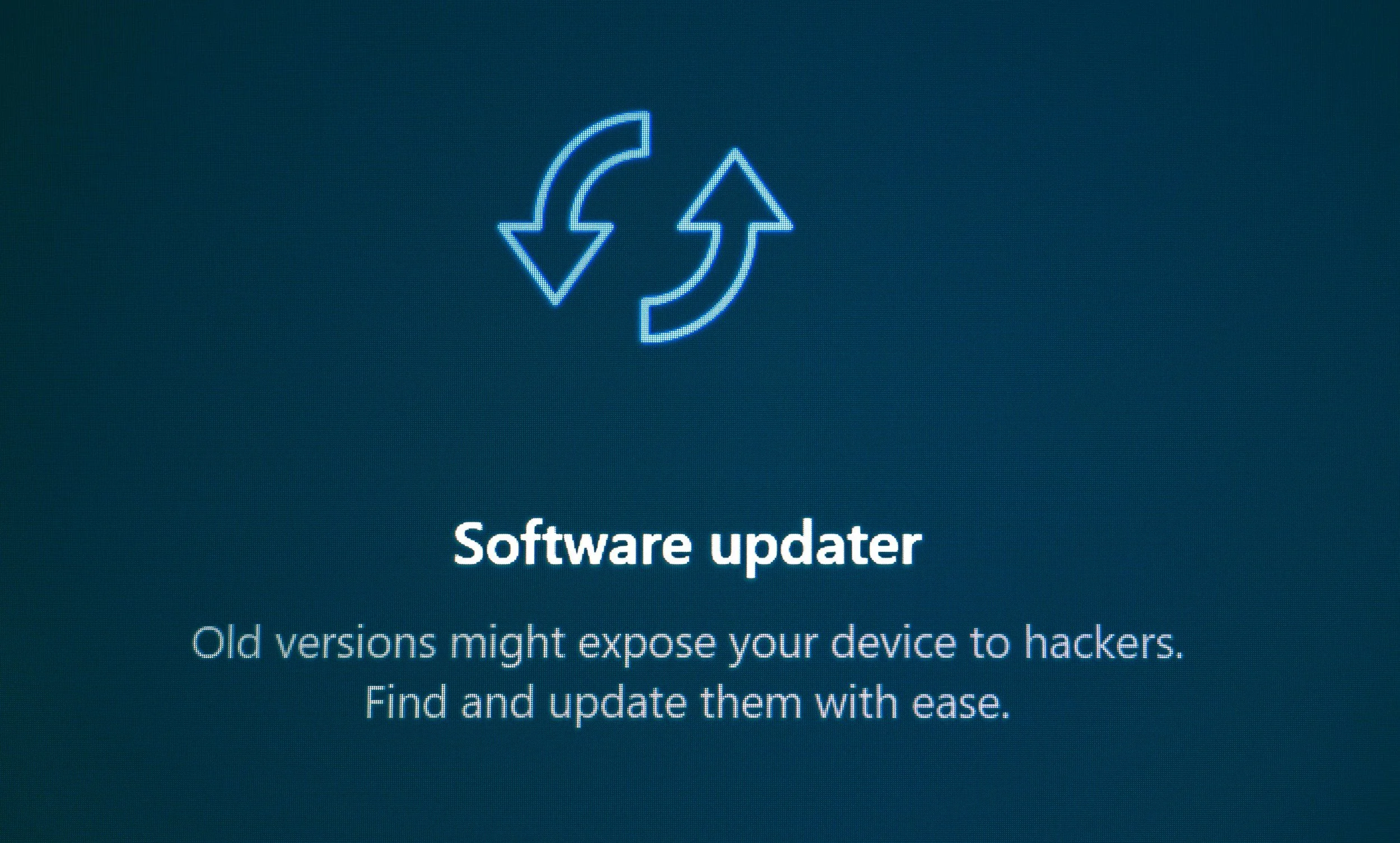
6. Keep your devices updated
Those software-update reminders are easy to dismiss, especially when you're busy.
Updates often include important security fixes, so keeping your phone, laptop, tablet, apps and browser up to date is one of the simplest things you can do to protect your devices. Automatic updates can make this one less thing to remember
From CyberSafe Coach:
Turn on automatic updates once and you will not need to think about this again.
7. Set up your phone before you need it

Your phone will probably become one of your most useful university tools, so take a few minutes to check its security and useful settings.
Use a PIN, fingerprint or facial recognition, make sure you know how to remotely locate or lock your device, check your emergency contacts and review which apps have access to your location
It's also a good opportunity to set up tools you'll use while travelling and socialising.
With Travel Guardian, for example, you can add and select trusted contacts, share a journey or arrival, find useful locations and Safe Spaces, and access support and reporting options in one place
From CyberSafe Coach:
Do this before Freshers' Week gets busy, not after. It takes ten minutes now and saves a lot of stress if your phone is ever lost or stolen later.

8. Back up the things you don't want to lose
Imagine losing your laptop the week an assignment is due…
Cloud storage or another reliable backup means losing or damaging a device doesn't also mean losing your university work, photographs and important files
Check what is being backed up automatically rather than assuming everything is
From CyberSafe Coach:
Check today, not after something goes wrong. A quick look at your phone or laptop's backup settings tells you whether your work is actually protected or just assumed to be.
9. Be careful with QR codes, links and downloads

QR codes are everywhere at university, from posters, events, societies, menus, tickets to promotions… Most are completely legitimate, but treat them in the same way you would any other link.
Check where they take you before entering passwords, payment details or personal information
The same applies to unexpected files and downloads sent through email, messaging apps or group chats.
CyberSafe Coach explains:
Treat a QR code the same way you would treat a link in a text from someone you do not recognise. If it takes you somewhere unexpected, or straight to a payment page, stop before entering anything.
10. Know where to go if something happens

Even with good digital habits, things can still go wrong. If an account is compromised, you're being harassed online, you've lost money to a scam or something simply doesn't feel right - your university is likely to have IT, safeguarding, wellbeing and student-support teams that can help, and there are national services available depending on what has happened.
Knowing where those routes are before you need them makes asking for help much easier
CyberSafe Coach explains:
Save your university's IT, safeguarding and support contact details somewhere you can find them straightaway. It is much easier to look these up now than when something has already gone wrong.
One last thing
Starting university is about becoming more independent - digitally as well as in everyday life.
Cyber safety doesn't have to mean becoming suspicious of everything online but it’s precautionary, putting a few sensible habits in place: protecting your accounts, knowing what you're sharing, taking a moment before clicking and knowing where to turn if something goes wrong.
You can also find practical safety, safeguarding, wellbeing and digital-safety resources available on imabi’s Travel Guardian.